


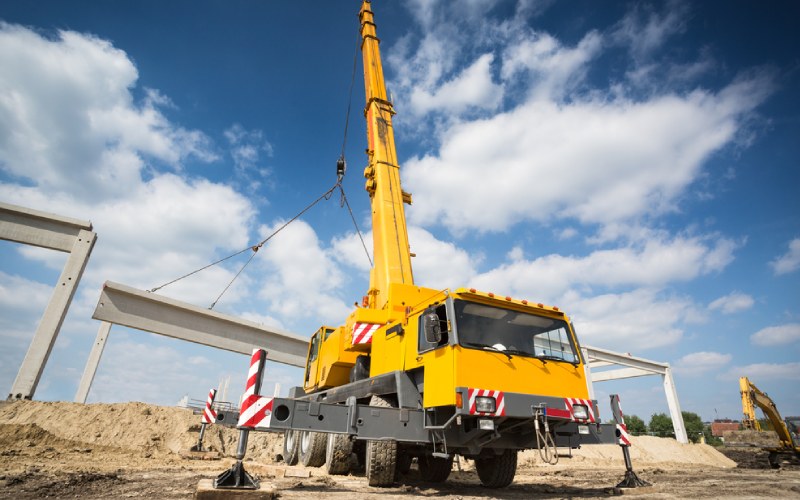
Winter Crane Mobilisation in Dubai: How Cooler Weather Reduces Transport Delays & Permit Risks.
Dubai’s construction ecosystem is widely recognised for its delivery speed, project scale, and regulatory rigour. Although summer heat often dominates operational planning, winter conditions introduce a less visible yet material advantage for heavy lifting and crane mobilisation. Cooler weather influences permit review, route validation, and risk profiling particularly for projects dependent on crane services in Dubai, where coordination between transport authorities, contractors, and site leadership must remain precise. When winter constraints and opportunities are understood in practical terms, mobilisation planning becomes more predictable, with clearer compliance outcomes and improved cost control.
Seasonal Climate Impact On Crane Transportation
Dubai’s winter climate, commonly ranging between 12°C and 25°C, alters the operating conditions for transporting oversized lifting equipment. Lower ambient temperatures reduce thermal stress on mechanical systems, lowering the probability of hydraulic overheating, tyre degradation, and axle-load variation during long-distance movement. These conditions influence route approval outcomes, as transport assessments tend to apply fewer environmental risk penalties when operating variables remain within stable thresholds.
Regional logistics reporting indicates that abnormal-load movements record up to 18% fewer stoppages between November and February than during peak summer periods. Cooler temperatures also support road-surface stability, reducing the likelihood of asphalt deformation and heat-related infrastructure sensitivity factors that often trigger late-stage route amendments and permit revisions in hotter periods.
Permit Processing Efficiency During Winter Months
Permit approvals for crane mobilisation in Dubai are governed by strict requirements for documentation, route analysis, and compliance with assigned movement windows. In summer, authorities frequently impose narrower transport windows due to public-safety considerations associated with heat exposure, congestion patterns, and infrastructure strain. Winter conditions reduce the intensity of these constraints and can increase the predictability of approval outcomes.
Traffic authorities demonstrate greater approval consistency during cooler months, with fewer conditional clauses attached to permits and fewer environment-driven limitations introduced during the review process. This reduces planning volatility for contractors and lowers administrative rework. Industry data suggests that winter permit resubmission rates fall by approximately 22%, largely because fewer environmental risk indicators are triggered during initial assessments.
Reduced Urban Disruption And Route Sensitivity
Urban crane mobilisation is shaped by congestion modelling, pedestrian-risk controls, and strict timing discipline intended to limit disruption. Winter months often bring a redistribution of city movement patterns, including adjusted work schedules across infrastructure zones and, in some areas, reduced visitor density. These shifts contribute to smoother convoy coordination and a lower frequency of escort interventions driven by unplanned route constraints.
For large lifting scopes involving mobile crane rental dubai, winter logistics may benefit from longer workable periods for night transport and fewer last-minute diversions. Cooler conditions can also improve early-morning visibility by reducing haze, thereby lowering the need for additional buffers that can complicate mobilisation sequencing during summer.
Mechanical Reliability And Assembly Readiness
Beyond transportation, winter conditions can improve the consistency of crane assembly and readiness on site. Steel components experience reduced thermal expansion variance in cooler weather, supporting tighter alignment during rigging, boom configuration, and commissioning checks. Electrical performance and sensor calibration processes may also remain more stable when equipment is not exposed to extreme heat, reducing commissioning friction and lowering the probability of avoidable delays.
Maintenance analytics from regional fleet operators indicate a measurable decline in weather-related fault reports during winter, particularly those involving braking systems, hydraulic seals, and load-monitoring electronics. Improved reliability shortens mobilisation-to-operation timelines an operational advantage that directly affects critical-path sequencing and overall programme control.
Risk Mitigation Through Predictable Weather Patterns
Compared with summer, which can involve heat-driven shutdowns and abrupt sandstorm disruption, Dubai’s winter weather is generally more stable and easier to forecast. This enables more reliable risk modelling and reduces the need for heavy contingency layering across convoy movements, site set-up, and lift execution.
Wind remains a critical variable in crane erection and test lifts; however, winter typically provides longer windows of workable conditions. More dependable forecasting also strengthens readiness planning and helps limit stand-by time. Reduced weather volatility can therefore lower disruption costs and minimise knock-on impacts to labour coordination and downstream activities.
Strategic Scheduling Advantages For Developers
At programme level, winter crane mobilisation aligns with broader objectives for schedule reliability and compliance control. Developers who allocate heavy lifting phases to cooler months often reduce regulatory interruption, limit indirect cost exposure, and improve stakeholder confidence through more consistent execution.
Industry benchmarks suggest that projects scheduling primary crane mobilisation between Q4 and Q1 achieve up to a 12% improvement in schedule adherence compared with mobilisation during peak summer periods. These outcomes reflect structural improvements in permitting consistency, logistics stability, and operational reliability across both transport and on-site assembly phases.
Winter crane mobilisation in Dubai is not merely a seasonal preference; it represents an operational advantage grounded in regulatory dynamics, mechanical performance realities, and measurable logistics outcomes. Cooler weather reduces permit volatility, stabilises transport execution, and improves equipment reliability across mobilisation stages. For construction stakeholders operating within strict compliance frameworks and complex urban constraints, winter provides a period in which efficiency, safety, and predictability align supporting delivery performance without introducing avoidable operational risk.
